
Franklin Parish Probate Court Records and Successions
Franklin Parish probate court records are kept by the Clerk of Court in Winnsboro and include succession cases, wills, intestate estates, and other estate-related filings going back to the parish's creation on March 1, 1843 from parts of Catahoula, Madison, and Ouachita Parishes. The Civil Department handles all succession filings, and the office maintains continuous records since that time. This page explains how to access those records, what they typically contain, and how Louisiana succession law applies to estates filed in Franklin Parish.
Franklin Parish Quick Facts
Clerk of Court Office
The Franklin Parish Clerk of Court is the official keeper of all probate court records in the parish. Hon. Anita Gallagher-Wygal holds the office and oversees all record-keeping for the parish. The office is located at 6550 Main Street in the Winnsboro courthouse, and the mailing address is P.O. Box 1564, Winnsboro, LA 71295. The main phone number is (318) 435-5133 and the fax is (318) 435-6792. Regular hours are Monday through Friday, 8:30 AM to 4:30 PM.
| Clerk | Hon. Anita Gallagher-Wygal |
|---|---|
| Address | 6550 Main Street, Courthouse, Winnsboro, LA 71295 |
| Mailing | P.O. Box 1564, Winnsboro, LA 71295 |
| Phone | (318) 435-5133 |
| Fax | (318) 435-6792 |
| Hours | Monday-Friday, 8:30 AM - 4:30 PM |
The office handles probate, marriage, divorce, civil, and land records for the parish. All these record types may be relevant to estate research, since property records and marriage documents often tie directly to succession cases. The Civil Department is the specific division within the Clerk's office where all succession filings are processed. Call the office with the name of the deceased person and an estimated year of death to confirm whether a succession case exists in the files before making a trip to Winnsboro.
Types of Probate Court Records in Franklin Parish
A succession file in Franklin Parish typically contains several distinct documents. The opening petition identifies the deceased, lists known heirs, and describes the estate. If a will exists, it is attached to the petition or filed separately as an exhibit. The court then holds a brief proceeding to determine the will's validity and identify the legal heirs.
Once heirs are confirmed, an inventory of assets is prepared and filed with the court. This document lists real property, bank accounts, personal property, and any debts of the estate. The final step is a judgment of possession, which is the court order that formally transfers the estate assets to the heirs. That judgment is recorded in the land records if real estate is involved, so it shows up in both the succession file and the conveyance records.
For intestate successions, where no will was left, the same basic process applies but without a will document. Heirs prove their relationship to the deceased through sworn statements and supporting documents. The court confirms those relationships before issuing any judgment. All of these documents, no matter which route the succession takes, end up in the case file at the Clerk's office in Winnsboro.
All records filed with the Franklin Parish Clerk of Court are public records under R.S. 44:1, Louisiana's public records law. Anyone can request to view or copy these documents. You do not need to be an heir or an attorney to access them.
Filing Rules and Jurisdiction
Louisiana requires that succession cases be filed in the parish where the deceased person last had a fixed home. This rule comes from Civil Code Art. 873. Anyone who died while living in Franklin Parish must have their succession opened with the Clerk of Court in Winnsboro. The case would be heard by the 5th Judicial District Court even if the deceased owned property in other parishes as well.
Succession opens at death as a matter of law. Civil Code Art. 871 states this clearly. The court proceeding that follows is how the legal transfer of the estate gets documented and made official. Without that proceeding, heirs may have trouble proving ownership of property or closing out financial accounts, even when everyone agrees who the rightful heirs are.
If a person owned real property in Franklin Parish but lived in a different parish, an ancillary proceeding might be opened here to handle that local property. The main succession case, though, stays in the home parish. Researchers should keep this in mind when searching for estate records involving someone who owned land across multiple parishes.
Small Succession Affidavits
Many families in Franklin Parish deal with small or modest estates. Louisiana law provides a simplified option in those cases. Under R.S. 9:1555, heirs can use a small succession affidavit when the gross estate is worth $125,000 or less and at least 90 days have passed since the date of death. No formal court proceeding is needed, which cuts down on both time and cost significantly.
The affidavit is signed by the heirs and may be filed with the Clerk of Court depending on the type of assets involved. Banks and financial institutions usually require a copy before they will release funds. If you cannot find a formal succession court case for a family member who died in Franklin Parish, it is worth asking the Clerk whether an affidavit was filed instead. Staff can search the index by name and let you know what is on record.
Community Property and Forced Heirship
Louisiana succession records reflect the state's unique property rules. Under Civil Code Art. 876, property in a succession is sorted into community property, meaning assets owned jointly with a spouse, and separate property, meaning assets owned alone before marriage or received by gift or inheritance. The inventory in a succession file shows how each asset was classified. That classification determines how the estate gets divided between the surviving spouse and other heirs.
Forced heirship is another feature of Louisiana law that shows up in Franklin Parish probate court records. Under Civil Code Art. 1493, children who are under 24 years old or who have a permanent disability are entitled to a protected share of the estate called the legitime. A will cannot override this right. If a will attempts to disinherit a forced heir, that heir can bring a court action to claim their share, and those filings become part of the succession case record in Winnsboro.
Searching Online and Statewide Platforms
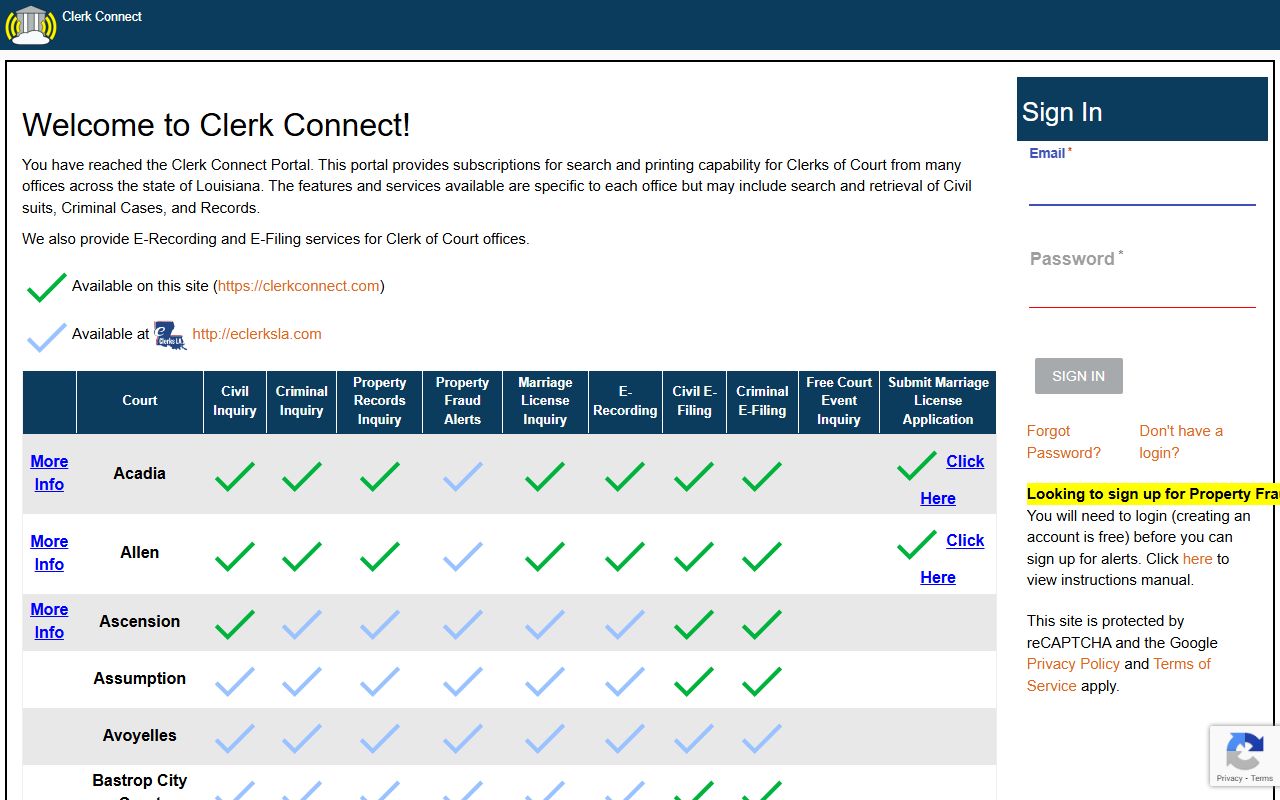
Franklin Parish does not currently operate a dedicated online portal for probate court record searches. For remote access, the statewide platforms available through Louisiana's clerks of court are the best options. Contact the Clerk's office directly at (318) 435-5133 to ask about current online access options for Franklin Parish records.
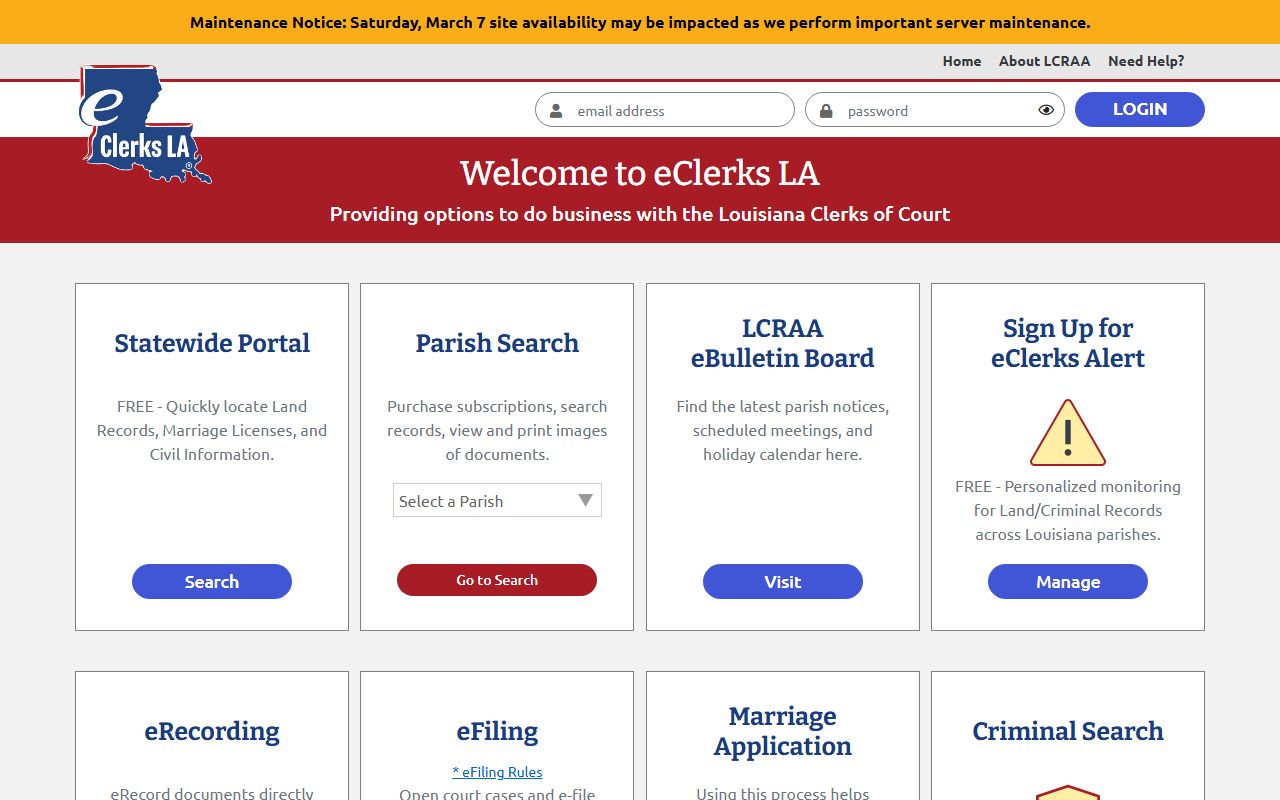
The eClerks LA system provides access to civil, succession, and property records for participating parishes. Check whether Franklin Parish is currently included in that database. It is worth confirming before making a trip to Winnsboro if remote access meets your research needs.
Historical Records and the State Archives
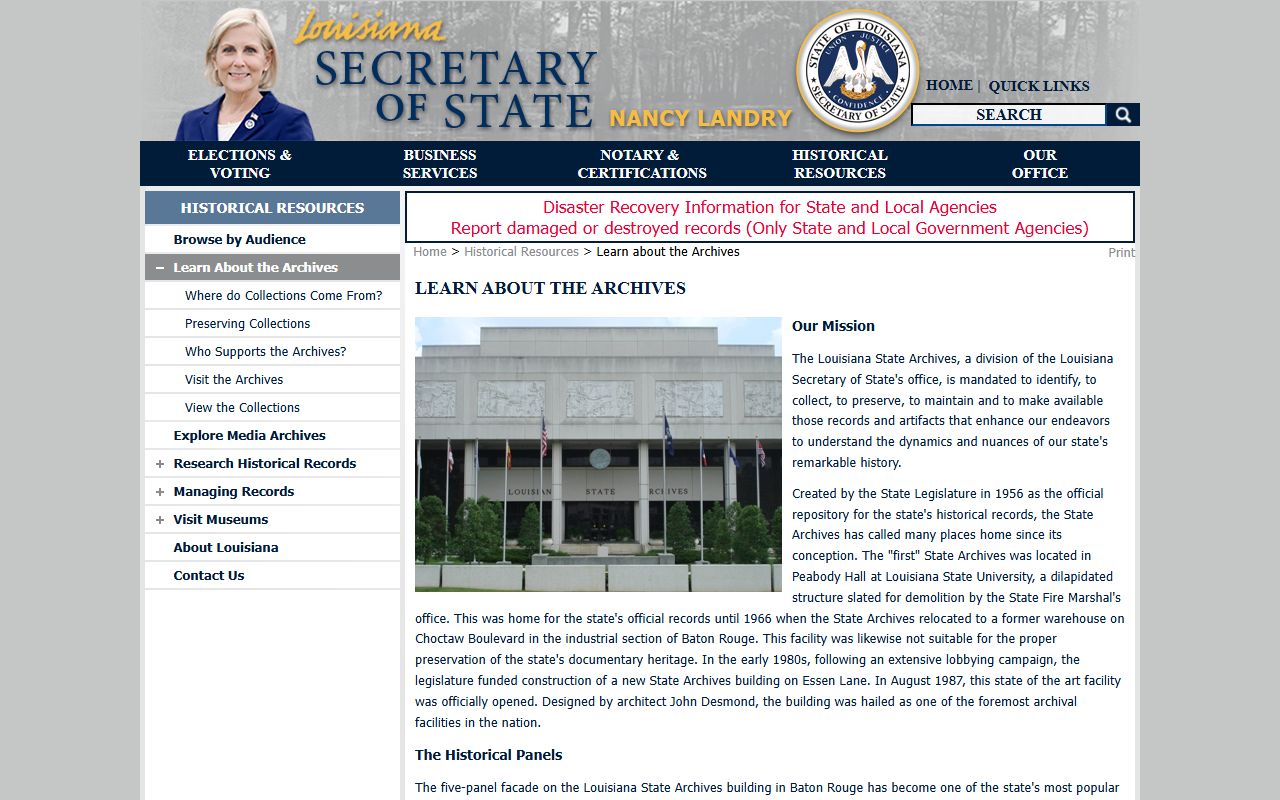
Franklin Parish was formed from parts of Catahoula, Madison, and Ouachita Parishes on March 1, 1843. For families who lived in that area before 1843, records would be found under those earlier parish jurisdictions. Some of the oldest records from northeast Louisiana have been preserved at the Louisiana State Archives in Baton Rouge.
For records since 1843, the Franklin Parish Clerk of Court is the right place to start. The office has maintained continuous records since the parish was created, and staff can help identify what is available in the collection. If a file is old enough that it exists only in paper or microfilm, the office will let you know what to expect before you visit.
Nearby Parishes
These parishes share borders with Franklin and may hold records for families who lived in or moved through this region of northeast Louisiana.