
Search St. Martin Parish Succession Records
St. Martin Parish probate court records document all succession cases filed through the Clerk of Court in St. Martinville. These records include wills, petitions to open succession, inventories, judgments of possession, and other documents tied to the administration of estates in St. Martin Parish. The Clerk's office maintains these files and makes them available to the public. This guide covers how to access records, what the filing process looks like, and what Louisiana law requires for successions filed in St. Martin Parish.
St. Martin Parish Quick Facts
St. Martin Parish Clerk of Court
The St. Martin Parish Clerk of Court is the official keeper of all probate and succession records in the parish. Hon. Becky P. Patin holds the office. The courthouse is located at Courthouse Square, Main Street, in St. Martinville. All probate filings go through this office. Staff can answer general questions about records access and let you know what documents are available for a specific case.
| Clerk | Hon. Becky P. Patin |
|---|---|
| Address | Courthouse Square, Main Street, St. Martinville, LA 70582 |
| Mailing | P.O. Box 308, St. Martinville, LA 70582 |
| Phone | (337) 394-2210 |
| Fax | (337) 394-7772 |
| beckypatin@stmartinparishclerkofcourt.com | |
| Hours | Monday-Friday, 8:30 AM - 4:30 PM |
| Website | stmartinparishclerkofcourt.com |
The office is open Monday through Friday, 8:30 AM to 4:30 PM. It closes on state and federal holidays. If you plan to visit St. Martinville, call ahead to ask about record availability, especially for older files that may need to be retrieved from storage. Mail requests go to P.O. Box 308, St. Martinville, LA 70582.
The 16th Judicial District Court
St. Martin Parish is part of the 16th Judicial District Court. The 16th JDC is one of the larger multi-parish districts in south Louisiana, covering Iberia, St. Martin, and St. Mary Parishes. District court judges presiding in St. Martin Parish handle all probate and succession matters filed there. The Clerk of Court's office works directly with the court to process filings, schedule hearings, and maintain the official case record.
When a succession is opened in St. Martin Parish, the petition goes to the 16th JDC. A judge reviews the filing and issues orders as the case moves forward. This may include orders to inventory assets, appoint a succession representative, pay debts, or deliver property to heirs. The Clerk's office records each of these orders and keeps them as part of the permanent case file. If you need to know which judge handled a specific case, the Clerk's staff can provide that information.
Contact the Clerk's office directly for details on local procedures and online access options. The office can also tell you whether specific records have been scanned or remain in paper form.
How to Access St. Martin Parish Probate Court Records
The primary way to access St. Martin Parish probate court records is to visit the Clerk's office in person. Public terminals may be available for searching the case index. You can look up a case by the name of the deceased, the case number, or the approximate filing date. Once you find the case, you can request copies of specific documents from staff.
Mail requests are also accepted. Write to P.O. Box 308, St. Martinville, LA 70582. Include the full name of the person whose estate was administered, the approximate year of death or filing, and a description of what you need. The office will check whether a file exists and give you a cost estimate for copies before processing your request. This is helpful if you live outside the parish and cannot visit in person.
For online access, contact the office directly. Staff can tell you what options are currently available and whether records have been added to any statewide portal. The ClerkConnect portal is used by many Louisiana parishes for remote record access, so it is worth asking whether St. Martin Parish records are accessible through that system.
Under Louisiana R.S. 44:1, probate court records are public. Anyone can request access. You do not need to show a relationship to the deceased or explain why you want the records.
What St. Martin Parish Probate Court Records Contain
A typical succession file in St. Martin Parish starts with a petition to open succession. That petition names the deceased, identifies the heirs, and lists the assets to be administered. As the case moves forward, the file grows. Common documents include an inventory of property, a detailed accounting of debts and expenses, court orders appointing a succession representative, and a final judgment of possession that transfers assets to the rightful heirs.
Wills are also filed with the Clerk of Court. Louisiana recognizes olographic wills, which are entirely handwritten and signed by the person making the will, as well as notarial wills, which are signed before a notary and two witnesses. Both types become part of the public record once a succession is opened in court. Searching the will index separately from the succession index can sometimes help locate documents that were filed before a formal succession was opened.
Other records kept by the St. Martin Parish Clerk include civil suits, marriage licenses, land records, conveyances, mortgages, and criminal court files. These records can sometimes connect to a succession case. For example, property disputes or debt claims filed in civil court may appear as separate cases but relate directly to an open succession.
Louisiana Succession Law in St. Martin Parish
Louisiana succession law applies the same way across all parishes. Civil Code Art. 871 states that a succession opens at the moment of death. The estate is then administered in the parish where the deceased was domiciled. For residents of St. Martin Parish, that means filing in St. Martinville. Civil Code Art. 873 confirms the domicile rule and explains which court has jurisdiction.
Forced heirship is a significant part of Louisiana law. Under Civil Code Art. 1493, children under 24 years old, and children of any age who are permanently incapacitated, are entitled to a fixed portion of the estate. This portion, called the legitime or forced portion, cannot be taken away by a will. A will that tries to disinherit a forced heir can be challenged in court. This kind of dispute may add documents to a succession file in St. Martin Parish and extend the time it takes to close the case.
Community property rules also shape how estates are divided. Louisiana is a community property state. Assets acquired during a marriage are generally owned equally by both spouses. When one spouse dies, their half of the community passes through succession. The surviving spouse keeps their own half outright. Separate property, meaning assets owned before marriage or received as gifts or inheritances during marriage, follows different rules. Civil Code Art. 876 sets out these distinctions.
Small estates may qualify for a simplified process. Under R.S. 9:1555, heirs can use a small succession affidavit if the net estate value is $125,000 or less and at least 90 days have passed since the death. This avoids opening a full court proceeding. A notary typically prepares the affidavit. Contact the Clerk's office or a local attorney to find out whether a specific estate qualifies.
Records Kept by the St. Martin Parish Clerk
Beyond succession files, the St. Martin Parish Clerk of Court maintains several other record types that may be useful in estate research. Marriage records go back many years and can help establish family relationships relevant to an heir's claim. Land records, including conveyances and mortgages, document property transfers and can show how real estate changed hands before or after a death.
Divorce records are also kept in this office. These may matter in a succession case when the marital status of the deceased affects how assets are divided. Civil court records can show debt judgments or other claims against the estate. Criminal records are maintained separately but are also accessible through the Clerk's office. The staff can point you to the right department for each record type.
Additional Resources for St. Martin Parish Succession Cases
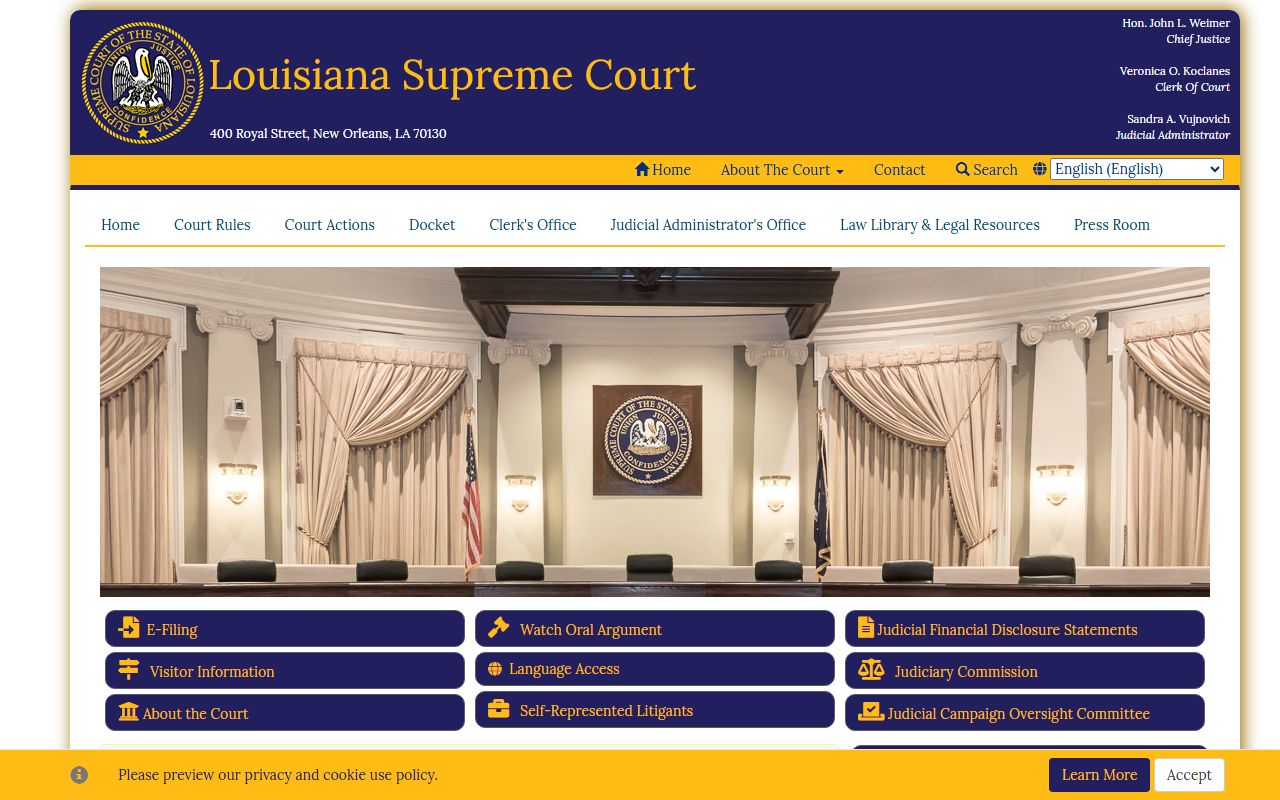
The Louisiana Supreme Court website has general information about the state court system, including how probate and succession cases work. The site also links to self-help resources for people who want to understand what to expect from the process. It is a good starting point if you are new to Louisiana succession law.
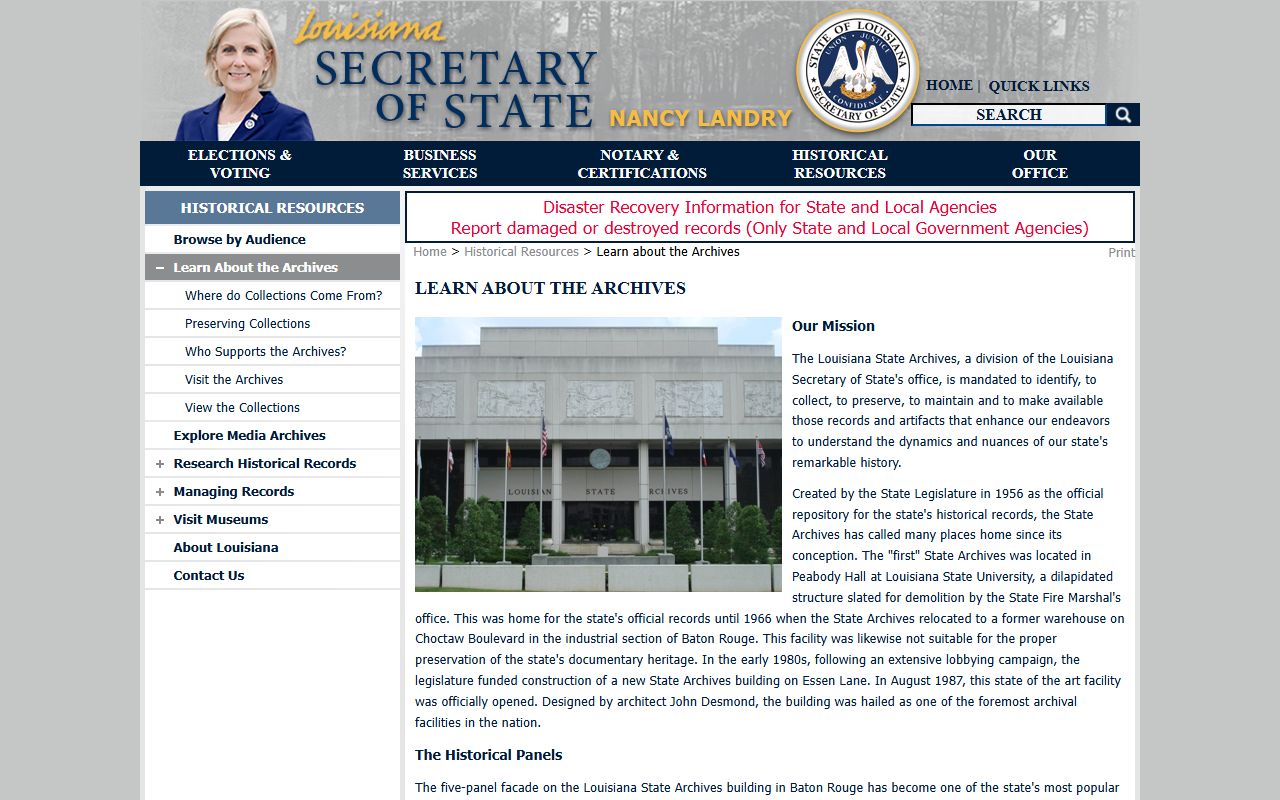
For historical research, the Louisiana State Archives in Baton Rouge holds records from parishes across the state. Older succession records that predate local digitization efforts may be easier to find through the Archives. Staff there can help identify what is available for St. Martin Parish.
The eClerks LA platform provides information about electronic filing and record access across Louisiana parishes. It is useful if you work with probate records in multiple parishes or want to know what electronic options are available statewide. The ClerkConnect portal is also worth checking for St. Martin Parish record access.
If you need legal help, local and regional legal aid organizations serve south Louisiana. The Clerk's office can point you toward resources in the area. An attorney familiar with Louisiana civil law is especially useful for complex successions involving contested wills, forced heirship claims, or large estates with mixed community and separate property.
Nearby Parishes
These parishes border St. Martin and each maintain probate court records through their own clerks of court.